
A Day in the Life of a Family Law Paralegal in Arizona
A paralegal is often the backbone of a law office, quietly handling the details that keep cases moving forward and clients informed. Their work blends legal knowledge, organization, and people skills—and in many firms, professionals like Anita Hazlette are the steady presence clients come to rely on.
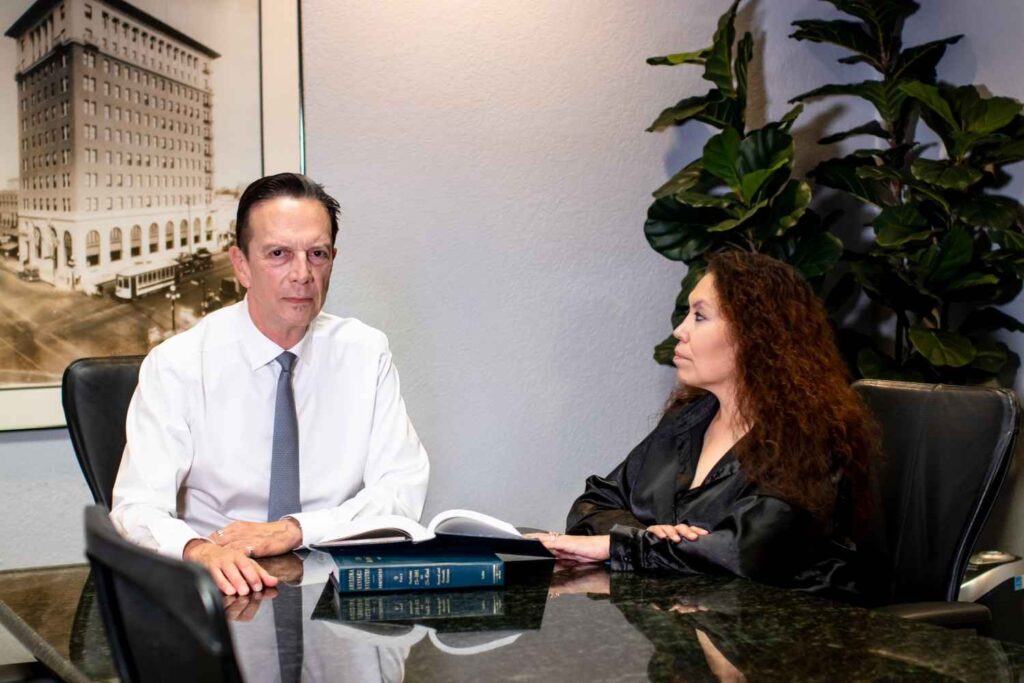
Managing Case Files and Deadlines
A big part of a paralegal’s day here at the Law Office of Hector A. Montoya, is spent organizing information and staying ahead of deadlines. They:
- Open and maintain case files, both digital and physical.
- Track important court dates, filing deadlines, and response to due dates.
- Gather and update client information, correspondence, and documents as a case progresses.
Experienced paralegals like Anita use decades of hands‑on work in family and juvenile law to keep even emotionally intense cases structured and on schedule, bringing calm and order to complex situations.
Drafting Legal Documents
Paralegals also do a substantial amount of drafting under an attorney’s supervision. Typical documents they prepare include:
- Letters to clients, opposing counsel, and third parties.
- Pleadings, motions, and responses for court filings.
- Discovery documents such as interrogatories, requests for production, and subpoenas.
- Standard forms and agreements relevant to their practice area.
At the Law Office of Hector A. Montoya, a paralegal like Anita draws on more than 29 years in the legal field to draft accurate, detailed documents that the attorney can then review and finalize, saving significant attorney time while maintaining quality.
Conducting Legal and Factual Research
Research is another core part of a paralegal’s day:
- Looking up statutes, regulations, and case law related to specific issues.
- Reviewing records, building timelines, and organizing evidence.
- Summarizing findings in clear, concise formats for the attorney.
In a family law practice, that may mean carefully examining court records, prior orders, or child‑related documentation—something Anita has honed since joining the firm in 2012, combining strong research skills with meticulous attention to detail.
Communicating With Clients and Courts
Paralegals are often a client’s main point of contact for routine updates and procedural questions. On a typical day, they may:
- Update clients on case status and next steps (without giving legal advice).
- Schedule meetings, depositions, mediation sessions, and court appearances.
- Communicate with court staff, opposing counsel’s offices, and expert witnesses about logistics.
In a firm that focuses on families and children, compassion matters. Anita is described as creating a supportive environment for clients while remaining calm under pressure, qualities that help people feel heard and cared for during difficult life events.
Supporting Hearings and Trials
In litigation practices, paralegals often support the attorney before and during hearings or trials by:
- Preparing and organizing exhibits and trial binders.
- Coordinating witness schedules and ensuring everyone has the information they need.
- Managing documents and notes so the attorney can focus on presenting arguments.
Even though paralegals do not argue in court, their preparation work gives attorneys a clearer, more organized case to present, which is especially important in time‑sensitive family law matters.
The Family Law Experience and Knowledge You Need
Our office’s decades of family law experience in Tucson and the greater Southern AZ area, provide you with a supportive and confident legal team you can count on. Contact the Law Office of Hector A. Montoya today – we focus on the right perspective to get the right results.

If you need help devising a military family care plan in Arizona, look no further than the Law Office of Hector A. Montoya. We understand military…

Missed Child Support Payments in Tucson, AZ
When parents separate or divorce, child support ensures children maintain a secure and nurturing…